
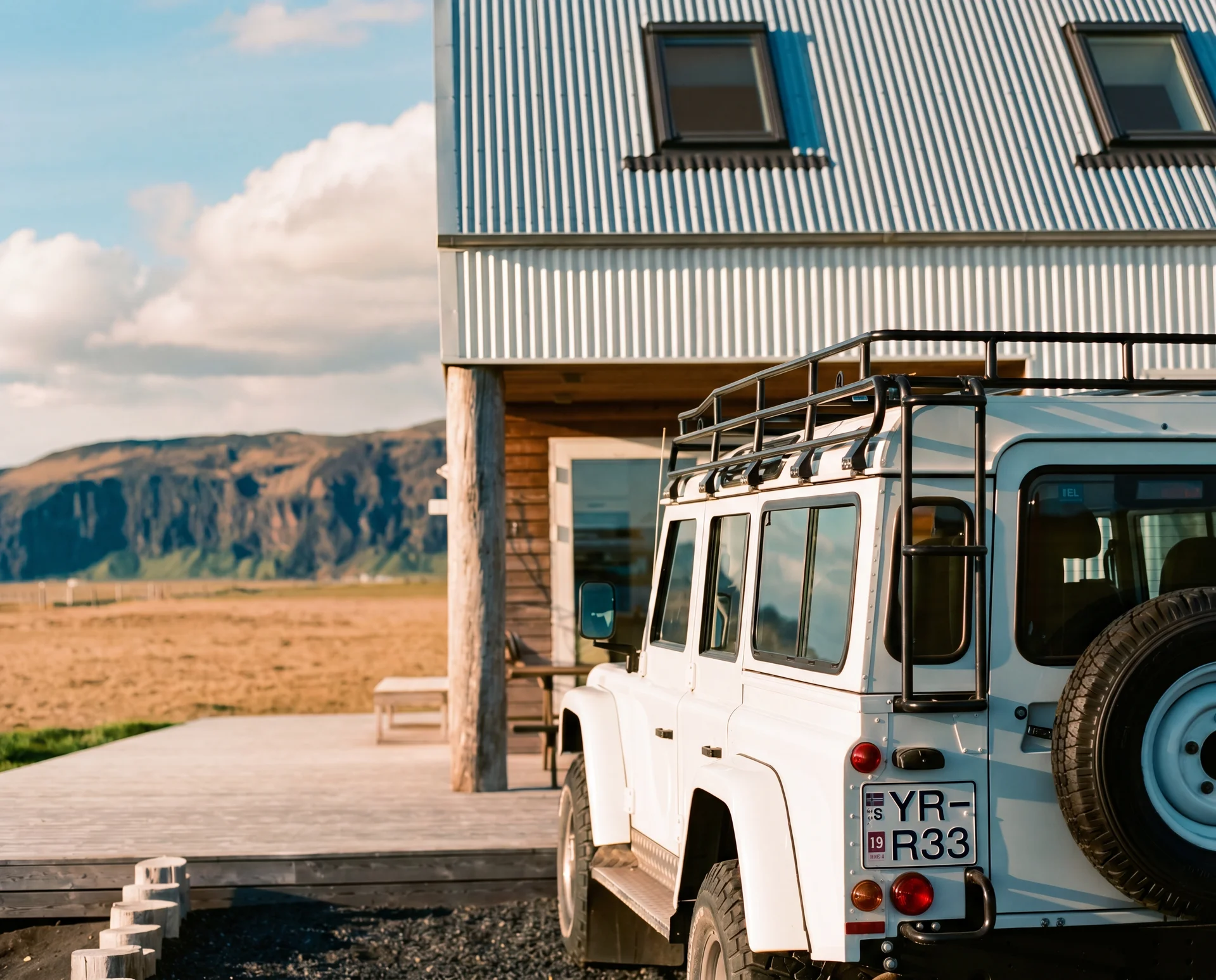
There's a version of travel that exists only in high season — the version you see in photos, read about in guides, hear about from friends who went in July. Streets filled with visitors. Restaurants with lines out the door. Beaches crowded by 10 AM. Everything open, everything available, everything designed to accommodate the surge.
And then there's the other version. The one that exists when nobody else is there.
November in a coastal town. February in the mountains. March in a village that becomes a postcard in summer but turns quiet when the tourists leave. The restaurants that stay open serve locals, not visitors. The hosts who keep their doors open aren't chasing volume — they're sustaining something that matters to them year-round. The place stops performing and starts living.
Off-season isn't when places offer less. It's when they reveal more.
Most travelers avoid this version. They see "off-season" and hear: limited options, closed attractions, bad weather, fewer services. They imagine depressing emptiness, missed experiences, paying the same price for less.
When a Place Returns to Itself
High season isn't worse — it's just different. Summer brings energy, abundance, everything open and available. You have access to more options, more activities, more of what makes a place vibrant when it's fully activated. There's a reason people travel then: the weather cooperates, the days are long, the place is alive in ways it isn't the rest of the year.
But it's also operating in a different mode. Everything scales up to accommodate crowds. Restaurants adjust menus for broader appeal. Shops stock what tourists expect to find. The entire town or region shifts gears — maximizing capacity, managing volume, meeting the demands of thousands of visitors arriving at once. You visit during peak season and you experience a place optimized for activity and access.
Off-season doesn't offer less — it offers something entirely different. When the crowds leave, the place returns to a different rhythm. Restaurants go back to cooking what they want, not just what sells. The pace slows to its natural speed. The town stops accommodating thousands and returns to the scale it was built for.
You could visit the same place in July and February and have two completely different experiences — neither better nor worse, just fundamentally distinct. Summer gives you access and activity. Off-season gives you intimacy and rhythm. Both teach you something true about the place, but what you learn depends entirely on when you arrive.
The Mathematics of Attention
In July, you're one of thousands. In February, you're one of five. That changes everything about how you're received, what you notice, and what becomes possible.
When a farmhouse or guesthouse has only a few guests in off-season, the host has time. Time to talk, to share stories, to show you things they'd never have space for during high season. You're not being processed — you're being welcomed. Meals last longer. Conversations go deeper. The host isn't managing a full house; they're hosting you.
The same applies to the places you visit. A museum crowded in summer becomes meditative in winter. You stand in front of paintings without being jostled. You move through rooms at your own pace. The experience shifts from checking off a landmark to actually seeing it.
Even the landscape changes. A hiking trail packed with people in August is silent in November. You hear wind, birds, your own footsteps. The view isn't competing with dozens of others taking the same photo. The place reveals itself to you instead of being consumed in collective ritual.
Off-season gives you back the most valuable resource in travel: attention. Yours, and everyone else's.


What Locals Are Like When They're Not Exhausted
People who live in high-traffic tourist areas spend half the year bracing for impact. The summer surge brings income, but it also brings exhaustion. The same questions answered a hundred times, the same interactions repeated, the slow erosion of patience that comes from living in a place that's temporarily no longer yours.
By the time off-season arrives, they're tired. But they're also relieved. And as the weeks pass and they remember what their town feels like when it's theirs again, something shifts: they become generous. This is when you meet the real versions of people. The restaurant owner who sits down to talk because there's time. The host who invites you to something local — a neighbor's gathering, a traditional event, a place tourists never see. The shopkeeper who asks where you're from and actually listens to the answer.
In high season, locals are service providers — or obstacles, depending on how you encounter them. In off-season, they're people living their lives, and if you're respectful and genuinely curious, they'll often let you in. That access changes the entire nature of travel. You stop being an observer passing through. You become a guest in a place that's functioning normally, and the welcome you receive is real, not transactional.
Weather as Context, Not Obstacle
The resistance to off-season travel is often about weather. It'll be cold. It might rain. The days are shorter. The beach won't be swimmable. All true. But also: so what?
Weather isn't an obstacle to experience — it's part of the context. A place in winter is fundamentally different from the same place in summer, and that difference teaches you something essential about how people live there year-round. You learn why houses are built a certain way. Why certain foods are eaten in certain seasons. Why rhythms slow down or speed up depending on daylight. You see the landscape without its summer decoration — stripped down, raw, often more beautiful for it.
And you stop expecting a place to accommodate you. You dress warmer. You adjust your plans. You move slower because the days are shorter. You experience the friction of being somewhere on its terms, not yours — and that friction is often where meaning lives.


Travel that never challenges you never changes you.
The Economics of Sustaining Places
Off-season travel isn't just better for you — it's better for the places you visit. Tourism economies built entirely on high season are fragile. Businesses make all their money in three or four months, then struggle to survive the rest of the year. Workers get hired seasonally and laid off when the crowds leave. The entire region becomes dependent on a boom-and-bust cycle that makes long-term planning nearly impossible.
When you travel off-season, you're supporting a different model. You're helping hosts, restaurants, and local businesses sustain themselves year-round. You're proving that there's demand outside the peak, which allows them to stay open, keep staff employed, invest in improvements instead of just surviving until summer.
This is especially true for independent farmhouses and guesthouses. Many of them can't scale to handle high-season volume — nor do they want to. But they can host a few guests at a time throughout the year, and those steady bookings allow them to maintain their rhythm, keep the place running, and continue doing what they do without compromising. Your choice to travel in November instead of July directly contributes to that sustainability.
Choosing the Real Season
Off-season travel isn't for everyone. It requires flexibility, tolerance for uncertainty, willingness to adjust plans. It doesn't offer the safety of knowing everything will be open, available, optimized for your arrival.
But if you're willing to trade convenience for depth, certainty for discovery, curated experience for real encounter — off-season isn't a compromise. It's an upgrade. You see places as they actually are. You meet people when they're not exhausted. You move through landscapes without crowds. You experience weather as context, not obstacle. You participate in an economy that sustains communities year-round instead of extracting value during peak months.
And you leave knowing something true about a place — not the highlight reel, not the tourist-facing version, but the daily reality that continues when everyone else goes home. That knowledge stays with you. It changes how you travel, what you look for, what you value. You stop chasing the same experiences everyone else is chasing. You start seeking out places when they're empty, quiet, themselves.
The real season isn't when everyone else is there. It's when they're not.